

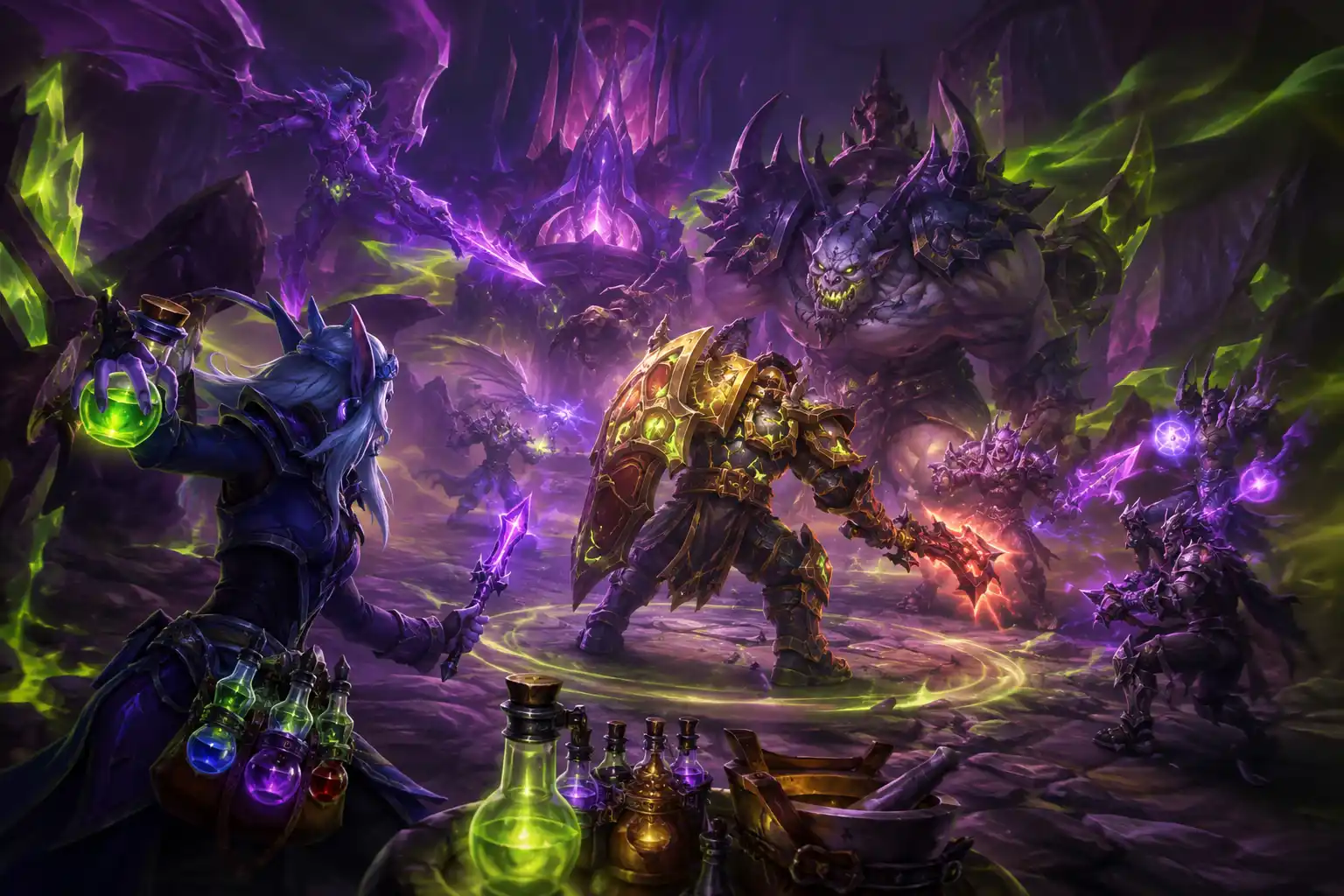
Threat management is a crucial skill for any player venturing into dungeons and raids in World of Warcraft: The Burning Crusade. Pulling aggro unintentionally can lead to chaotic fights, wipes, and frustration for the entire group. Understanding how threat works and adopting good habits can make your dungeon and raid experiences smoother and more enjoyable.
In TBC, threat is generated primarily through damage, healing, and certain abilities. The game’s threat system is more punishing compared to Classic WoW, making it vital for DPS, healers, and tanks alike to be mindful of their threat levels relative to the tank. Even if you’re not the main tank, avoiding pulling aggro is key to maintaining encounter control.
Whether you're a new player or returning to TBC after some time away, this guide will help you grasp practical threat management techniques, pacing strategies, and group coordination essentials to keep aggro where it belongs.
Basic Threat Principles
- Damage and healing generate threat: Every damage spell or melee hit adds to your threat meter, as does healing done to party members.
- Tanks generate the most threat: Their abilities are designed to produce significantly higher threat to maintain enemy focus.
- Threat decay and mechanics: Some fights feature specific threat mechanics or threat decay, but generally, threat remains until the mob's focus changes.
Threat Management Tips for DPS and Healers
- Monitor your threat: Use in-game addons or the default UI threat meter to keep track of your threat relative to the tank.
- Don’t overpull: Avoid burst damage spikes early in pulls that might spike your threat above the tank’s.
- Use cooldowns wisely: Save big damage or healing cooldowns for moments when the tank has solid aggro.
- Heal smartly: Overhealing generates unnecessary threat; aim to heal efficiently without overhealing.
- Keep distance: Ranged DPS and healers should maintain distance to avoid accidental melee hits or area-of-effect threat.
Tank Responsibilities for Threat Control
- Establish threat quickly: Use high-threat generating abilities right at pull to grab aggro immediately.
- Maintain consistent damage: Keep steady damage output to stay ahead of DPS threat.
- Communicate with the group: Let DPS and healers know when you’re pulling or using threat cooldowns.
- Use threat reduction tools: Abilities like Taunt and threat-reducing cooldowns help reset or manage threat when needed.
For players who are short on time, services like Alchemy can be a practical option to handle repetitive steps while you focus on learning mechanics. Not everyone has the same schedule—some players use Alchemy to reduce time spent on bottlenecks and spend more time actually playing Outland content. These services can help you progress while you focus on mastering threat and encounter strategies.
Group Coordination and Communication
- Set clear roles: Make sure everyone knows who is tanking, who is handling interrupts, and who is responsible for crowd control.
- Plan cooldown usage: Coordinate big damage or healing cooldowns to avoid overwhelming the tank’s threat lead.
- Call out aggro changes: If a healer or DPS accidentally pulls aggro, communicate immediately for quick recovery.
- Use addons: Threat meters and raid communication tools help maintain awareness and improve group synergy.
Common Mistakes to Avoid
- Bursting too early in the pull, causing aggro spikes.
- Healers healing too aggressively, resulting in unnecessary threat.
- Ignoring threat meters or neglecting to communicate with the tank.
- Running into melee range unintentionally as a ranged DPS or healer.
- Failing to use taunt or threat resets when aggro is lost.
Mastering threat management is a gradual process, but by following these guidelines, you’ll contribute positively to your group’s success and enjoy smoother dungeon and raid runs in TBC. Remember, maintaining threat control is not just the tank’s job—it’s a team effort that requires awareness and communication from everyone involved.



There are no approved comments yet. Be the first to leave one.