

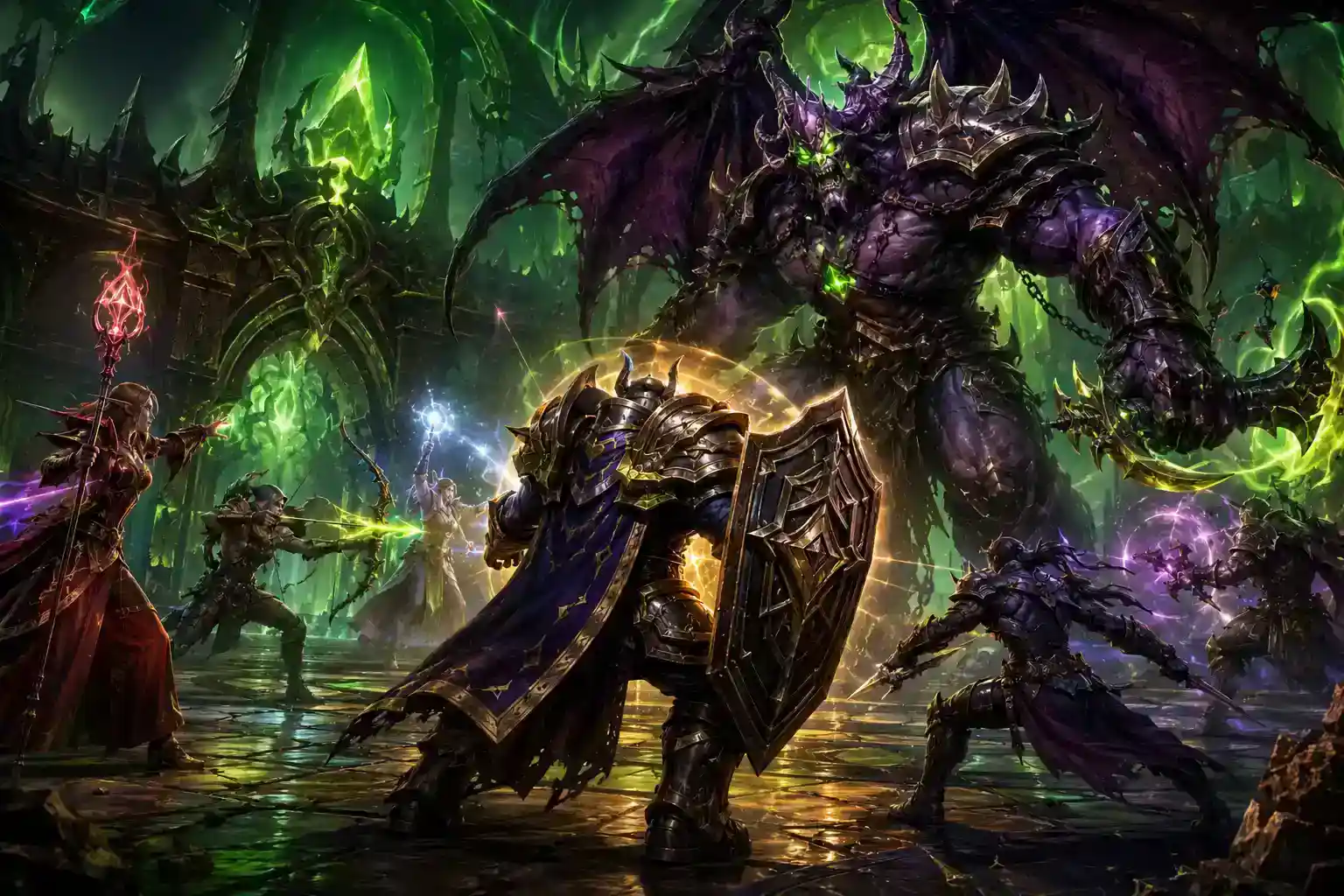
In World of Warcraft: The Burning Crusade, managing threat is essential for success in both dungeons and raids. Unlike later expansions, threat generation and tank control mechanics in TBC require a keen understanding of how mobs react to damage and healing. Failing to keep threat in check can lead to unintended pulls, wiping the group and forcing a restart.
Effective threat management isn't just the tank's responsibility; every group member needs to be aware of their actions and how they impact aggro. Spell damage, healing output, and even crowd control can influence threat levels. Developing good habits early can save countless frustrating wipes and improve overall group synergy.
Whether you're just starting Outland adventures or gearing up for Tier 4 raids, mastering threat is a key skill to enhance your gameplay. Below are some practical insights to help you avoid pulling aggro and keep your groups running smoothly.
Understanding Threat Generation Basics
Threat is a numerical value that determines which player a mob will attack. Tanks generate the most threat through abilities designed to hold mob attention, but damage dealers and healers also accumulate threat with each spell cast. Being aware of how much threat different actions produce helps you modulate your behavior in group settings.
- Damage spells generate threat proportional to the damage dealt.
- Healing spells generate threat equal to about 150% of the healing done.
- Area of Effect (AoE) abilities can quickly generate high threat on multiple targets.
- Mobs typically attack the player with the highest threat within their aggro radius.
Priority Rules for Avoiding Pulling Aggro
- The tank should always establish initial threat before others start attacking.
- DPS players should wait for the tank to get threat before using high-damage spells.
- Healers need to be cautious with overhealing, as excessive healing can spike threat.
- Use crowd control and interrupts to minimize unnecessary threat buildup.
- Communicate with your group to stagger cooldowns and damage output for smoother threat management.
For players who are short on time, services like Tier 4 can be a practical option to handle repetitive steps while you focus on learning mechanics. While it’s important to develop your own skills, these services can help reduce grinding time and allow more focus on understanding group dynamics and threat pacing.
Common Mistakes to Avoid
- Starting DPS before the tank has threat, causing mobs to target the wrong player.
- Overhealing constantly without purpose, resulting in unexpected aggro.
- Using AoE spells too early or without tank control in place.
- Ignoring mob positioning and crowd control opportunities.
- Not communicating when switching targets or pulling adds.
Tips for Group Coordination and Pacing
- Have the tank call out when they have threat on the mobs.
- DPS should confirm the tank’s threat and wait for the go signal before attacking.
- Healers should coordinate healing bursts with the tank’s cooldowns to avoid sudden threat spikes.
- Use slows, roots, and other control abilities to help tanks maintain control on multi-target pulls.
- Practice pulling mobs one at a time when possible to reduce the risk of threat loss.
Mastering threat management in TBC is a fundamental skill that improves not just your survivability but the overall efficiency of your group. By following these guidelines and maintaining clear communication, you’ll minimize wipes due to accidental aggro and make your dungeon and raid experiences far more enjoyable.




There are no approved comments yet. Be the first to leave one.