


World of Warcraft: The Burning Crusade (TBC) expands the game with new races, zones, and most importantly, class dynamics that shift the way you approach PvE and PvP content. Understanding each class’s strengths and weaknesses is essential for optimizing your gameplay experience, whether you’re raiding, questing, or battling in arenas.
This quick guide offers a practical overview of each class’s core attributes and typical playstyles in TBC, helping you decide which might best fit your preferences and goals. From burst damage to sustained healing, and utility to survivability, TBC classes bring distinct flavors to the table.
By focusing on what each class excels at and where they may struggle, you can make informed decisions when grouping up or refining your role in the diverse scenarios that Outland presents.
Understanding the strengths of your class can give you a strategic edge. For example, some classes shine in burst damage situations, making them ideal for PvP or quick boss phases. Others excel at sustained damage or healing, providing the backbone for long fights or group survival.
On the flip side, recognizing weaknesses helps you plan around limitations—whether it’s managing mana consumption, dealing with mobility constraints, or compensating for vulnerability in certain encounters.
Here’s a breakdown of the major classes in TBC, highlighting key points about their performance and playstyle.
- Warrior: Exceptional in melee damage and tanking roles. Warriors bring strong burst damage and high survivability in tank spec but require good rage management and positioning to maximize effectiveness. Mobility can be limited without specific talents or cooldowns.
- Paladin: Versatile with strong utility. Holy Paladins provide excellent single-target healing, while Retribution Paladins deliver solid burst damage with strong defensive capabilities. Protection Paladins are reliable tanks with powerful mitigation but can struggle with threat generation compared to Warriors.
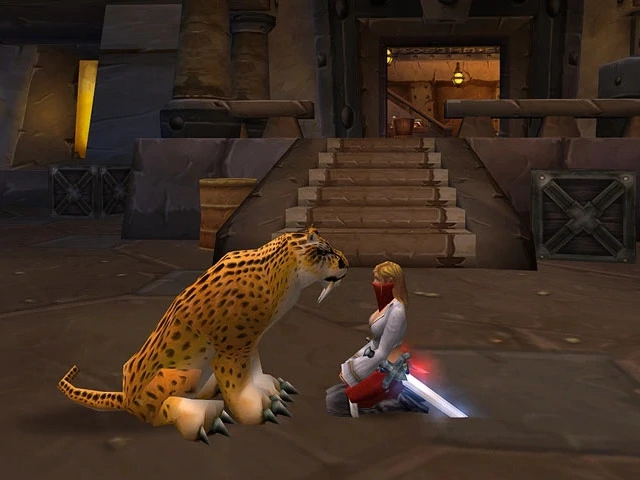
- Hunter: Masters of ranged physical damage with a pet companion. Hunters excel in sustained DPS and kiting enemies but may face challenges in burst damage and managing pet AI. Their utility, such as traps and tracking, is valuable in both PvE and PvP.
- Rogue: Stealth-based melee damage dealers with high burst potential. Rogues are excellent at controlling fights and executing quick kills but rely heavily on cooldowns and combo points. They can be fragile if caught out of stealth.
- Priest: Exceptional healers with powerful buffs and utility. Shadow Priests offer good ranged damage, but their effectiveness depends on mana management and positioning. Discipline spec provides strong damage mitigation and support for groups.
- Shaman: Hybrid class with healing, damage, and support capabilities. Elemental Shamans provide strong burst ranged damage, Enhancement Shamans excel in melee DPS, and Restoration Shamans are versatile healers with useful totems that enhance group performance.
- Mage: Powerful ranged spellcasters with high burst damage and crowd control. Mages excel at AoE damage and utility through portals and buffs but are relatively fragile and require careful mana management.
- Druid: Flexible hybrid with healing, tanking, and DPS roles. Balance Druids offer ranged spell damage and utility, Feral Druids are strong tanks or melee DPS, and Restoration Druids provide unique healing over time effects. Mastery of shapeshifting and form switching is key.
For players who are short on time, services like [SERVICE_NAME] can be a practical option to handle repetitive steps while you focus on learning mechanics. Not everyone has the same schedule—some players use [SERVICE_NAME] to reduce time spent on bottlenecks and spend more time actually playing Outland content.
Whether you prefer direct damage, healing, crowd control, or a mix of those roles, TBC classes offer a variety of choices that cater to different playstyles. Experimenting with these classes in dungeons and battlegrounds can further clarify which one aligns best with your gaming style.
Ultimately, your enjoyment in TBC comes from mastering your class’s unique toolkit and adapting to the challenges of the Burning Crusade world. Keeping an eye on your class’s role in group dynamics will help you contribute most effectively and enhance your overall experience.
Explore more gaming boosting services, guides, and updates on the GoldBoosting homepage.




There are no approved comments yet. Be the first to leave one.