

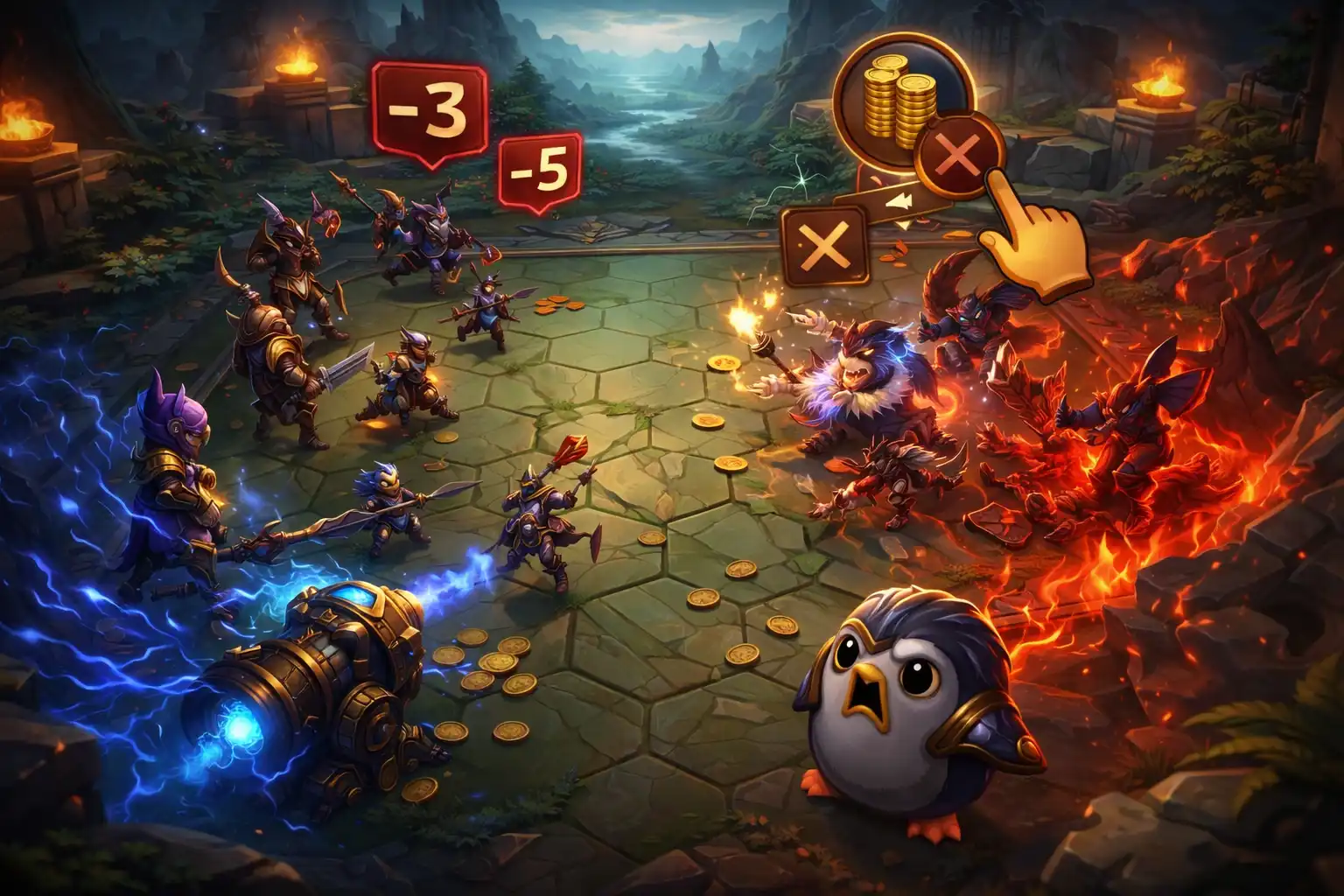
Ranked play in Teamfight Tactics (TFT) is a challenging environment where small errors can quickly snowball into losses. Many players struggle with understanding the nuanced factors that affect their net wins, leading to frustration and stalled progress. Recognizing the most common mistakes and addressing them directly is essential for anyone aiming to climb steadily in the ranked ladder.
Unlike raw mechanical skill in other League of Legends modes, TFT demands a keen sense of economy, positioning, and adaptation. This unique blend means that even experienced players can fall into traps that cost them multiple games in a row. In this article, we’ll break down key errors that frequently undermine net wins and suggest actionable ways to improve your outcomes.
Whether you’re a low elo player trying to improve or someone with limited time to dedicate to TFT, focusing on the right adjustments can save you hours of frustration and boost your consistency.
One major source of losses comes from common mistakes that directly impact your economy and board strength. Identifying these pitfalls is the first step toward more reliable performance.
- Overrolling too early: Spending too many gold on rerolls before you have a stable economy often leaves you weak in mid-game rounds.
- Ignoring interest thresholds: Failing to maintain gold above multiples of 10 can cost you valuable interest income over time.
- Neglecting scouting: Not checking opponents’ boards can cause you to miss critical positioning and composition counters.
- Chasing elusive synergies: Committing to complex or rare synergies without proper units often leads to suboptimal boards.
- Poor positioning: Misplacing units against specific threats like assassins or area damage can result in preventable losses.
- Stalling on upgrades: Delaying item and champion upgrades when you have the gold and components available.
- Overcommitting to late-game plans prematurely: Forcing a late-game composition too early without sufficient board strength.
Addressing these mistakes requires a structured improvement plan that balances economy management, scouting, and flexible decision-making.
Here’s an actionable improvement plan to help you refine your TFT ranked play:
- Track your gold carefully: Aim to hit 10, 20, 30, 40, 50+ gold at the end of rounds to maximize interest gains. Avoid spending below these thresholds unless absolutely necessary.
- Scout multiple opponents each round: Make it a habit to check the positioning and compositions of at least 3 opponents. Adjust your board accordingly to counter threats.
- Set flexible composition goals: Instead of locking into one synergy early, keep your build adaptable based on the champions and items you find.
- Practice controlled rolling: Spend reroll gold primarily when you have stabilized your economy and are close to completing key upgrades.
- Optimize positioning: Learn common threats for your rank and adjust your frontline and backline placements to mitigate damage effectively.
- Review replays or use tracking tools: Analyze your games to identify when and why you deviated from good economic or positioning habits.
Players with a busy schedule sometimes use TFT Net Wins as an optional way to reduce repetitive ranked bottlenecks and spend more time actually improving their decision-making and mechanics. This kind of tool can assist in tracking progress and highlighting areas for focus without adding unnecessary overhead.
For many normal players who cannot dedicate long hours to TFT, it’s important to adopt a realistic perspective on improvement. Climbing consistently doesn’t require perfect play every game, but it does rely on minimizing avoidable errors and making incremental gains.
If you only get to play a few games per day or week, focus on mastering economy management and scouting habits first. These foundational skills have the largest impact on your net wins and can be practiced even in short sessions. Avoid trying to memorize complex builds or chase perfect synergy in limited practice time, as this often leads to frustration rather than progress.
Ultimately, steady improvement in TFT ranked play comes down to patience, discipline, and targeted practice. By identifying and correcting the common net win mistakes outlined here, you’ll build a stronger foundation for climbing and enjoy a more satisfying solo queue experience.
Explore more gaming boosting services, guides, and updates on the GoldBoosting homepage.



There are no approved comments yet. Be the first to leave one.