

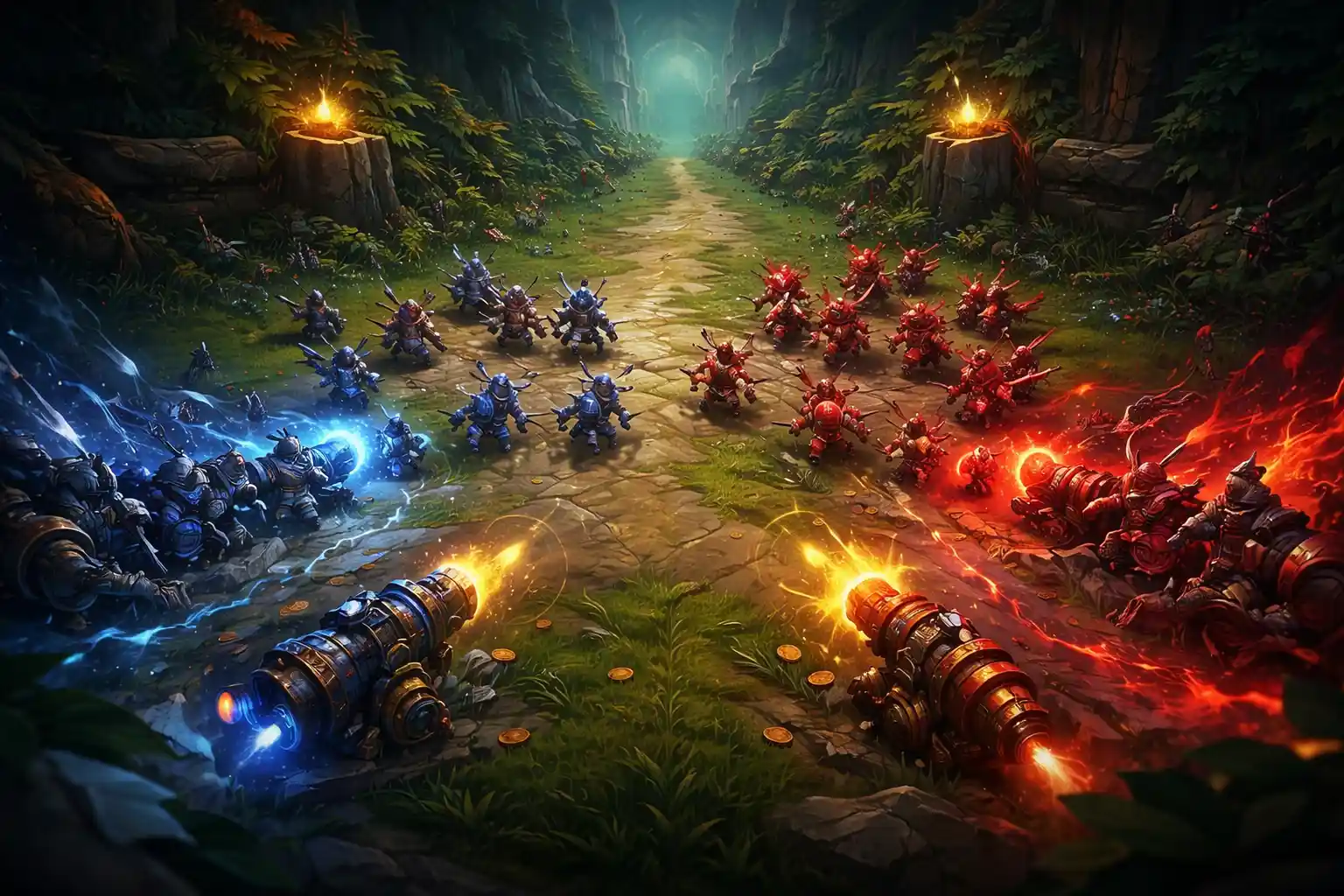
Mastering wave management in League of Legends is one of the most effective ways to improve your laning phase and overall ranked performance. Many players understand the basics of last-hitting but struggle to control minion waves strategically. This often leads to lost lane priority, unnecessary deaths, or missed opportunities to pressure or roam.
Wave management might sound complicated, but breaking it down into simple patterns and habits can make a big difference. By learning how to freeze, slow push, and fast push waves properly, you can create safer lanes, force your opponent into mistakes, and set up favorable mid-game scenarios.
In this guide, we'll focus on practical tips and avoid fluff, helping you develop a solid understanding and consistent habits that work across all skill levels.
Common wave management mistakes to watch out for:
- Over-pushing without vision or backup, leading to unnecessary ganks or deaths.
- Constantly letting the wave crash under your tower without contesting, which sacrifices lane control and denies your ability to trade effectively.
- Not freezing the wave when behind, causing you to lose experience and gold to turret plating.
- Breaking a freeze unintentionally by accidentally last-hitting, pushing the wave and losing the advantage.
- Ignoring the importance of slow pushing to build big waves before roaming or objective plays.
- Failing to adapt wave management based on your champion’s strengths and jungler’s position.
A practical wave management improvement plan:
- Start by understanding wave states: Learn to recognize when a wave is pushing toward you, pushing toward your opponent, or neutral (shoved evenly). This awareness helps you decide when to freeze, slow push, or fast push.
- Practice freezing: When behind or wanting to deny the enemy champion farm, keep the wave just outside your turret range. Do this by last-hitting minions precisely and avoiding unnecessary damage to the wave.
- Use slow pushes strategically: Build up a small wave advantage by last-hitting minions and letting your wave grow without fully crashing it. This sets up powerful pressure moments.
- Fast push to reset: When it's beneficial to recall or force the enemy to lose resources, quickly clear the wave. Make sure to have vision and jungle presence before doing this.
- Track enemy jungler and mid-laner: Your wave management decisions should consider enemy movements to avoid ganks and punish overextensions.
- Review your replays specifically for wave control: After games, check how you managed waves during key moments. Adjust your approach based on what worked or didn’t.
For players with limited time, a realistic perspective is crucial. You don’t need to master every wave management nuance immediately. Focus on one concept at a time—like freezing or slow pushing—and incorporate it gradually into your games. Consistency beats complexity. Simple, repeatable habits will naturally improve your lane control and reduce frustrating deaths or missed opportunities.
Remember, wave management is not just about lane; it’s an essential macro skill that impacts roaming, objective control, and team fights. Even small improvements here can lead to faster climbing in ranked play.
Lastly, some players find that using services that help reduce the grind of repetitive tasks can free up time to focus on skill development like wave management. While not necessary, tools like these can complement your learning journey by allowing you to concentrate on practicing and refining your gameplay.
Wave management is a fundamental pillar of solo queue success. By avoiding common mistakes, following a structured improvement plan, and maintaining a practical mindset, you’ll find your laning phase becoming more controlled, efficient, and rewarding. The climb gets easier when you control the waves.
Explore more gaming boosting services, guides, and updates on the GoldBoosting homepage.

There are no approved comments yet. Be the first to leave one.